
notes: may 2026 (pt. 1)
RFC seems to be making all of my favorite bands weird
biweekly newsletter listing all the music, movies, books, and, tv i, mike, have experienced for the first time over the past two weeks and also the things i have thought about them. again, i am mike.
2026 releases
nothing, a brief history of decay each single released ahead of this record—especially the vitamin-string-quartet-does-john-murphy’s-28-days-later-score “purple strings”—managed to convince me that there was a certain level of brilliance on display here that i wasn’t able to tap into quite yet, but that sense of optimism has receded quite a bit since spending time with the full album. feels a bit trend-chase-y to me between the breakbeat on “cannibal world” and the lowercase lettering (who even does that anymore haha), though it also took, like, five years for tired of tomorrow to click with me so we’ll see. i was surprised to see bobb bruno in the lineup when i caught them last year but i didn’t necessarily expect that to translate to the band’s most indie-rock album to date.
portrayal of guilt, …beginning of the end no band better demonstrates the pipeline of innovative screamo revivalism at the beginning of the decade into the current reappraisal of nu-metal—seemingly the one genre engineered to be inaccessible to anyone who didn’t get into it in eighth grade—wherein i can’t help feeling like artists aren’t just interpolating its signifiers, but also insisting to me that korn was always good, actually. still unquestionably a PoG record through all of its forays into breakbeat and memphis rap, though i can’t help feeling that these all serve as distractions from the band’s tried and so, so true core formula rather than embellishments to it.
teen suicide, nude descending staircase headless i think i made a comment on here last summer while listening to big joyous celebration for the first time that this band should try sounding like trail of dead more often, though at the time i was thinking of the quieter piano stuff from their late-’00s run rather than the noisiest corners of source tags & codes (maybe as interpreted by cloud nothings, though the vocals on “kindnesses” do get pretty keeley-y). i don’t think they’ve done anything this cohesive since 2012 when they released, like, a dozen EPs that were all kind of defined by their poor recording quality, and i don’t know if i’d be more interested to hear them further explore post-hardcore or see them pivot into any number of other directions they’ve dipped their toes in over the past decade. maybe i’m alone here, but i’d also like another dark ambient album.
older albums
future islands, in evening air (2009) i know i’m still yelling at cloud here, and obviously i’m grateful for the rap verses and dance moves that would follow, but future islands are another case of an aughts indie band that i thought was far more interesting before they leaned into the more conventional new-wave sound they adopted post-4AD signing (i didn’t realize they were on the weirdo-friendlier thrill jockey prior to that). the vocals on here feel particularly experimental, which is to say that when everyone went nuts about sam’s performance on letterman i wasn’t surprised to hear that the guy who sings “i am the tin man” like that was getting a little bit silly with it.
posture & the grizzly, busch hymns (2014)i got really into pop-punk for a few years between 2018 and 2019 and i always assumed that was because i was in such a strange headspace. but i’m beginning to see that maybe it’s more so because pop-punk was really good at that moment, which probably extends back to earlier in the decade, too—seemed like the perfect fusion of the ’90s post-hardcore edge and the ’00s mall-emo sense of unseriousness when songs were titled dumb things like “egg nog drunk off of hilary duff’s piss.” this album isn’t necessarily a standout among that era, but i do appreciate P&tG’s self-reflecting of the genre’s baseless aging anxieties on their own scene on “modern punk.”
slift, ummon (2020) honestly respect a band that appears to have formed out of necessity after thee oh sees pivoted away from the wholly unique sound they were mining in their weird exits/odd entrances era—there are guitar sounds and percussive passages on this record that i’ve never heard anything remotely close to outside of dwyer’s mid-’10s run. much more of a space-rock feel to these tracks, and the vocalist doesn’t ever attempt any yelps, but otherwise nothing makes the closer’s extended homage to “withered hand” come as a surprise.
movies
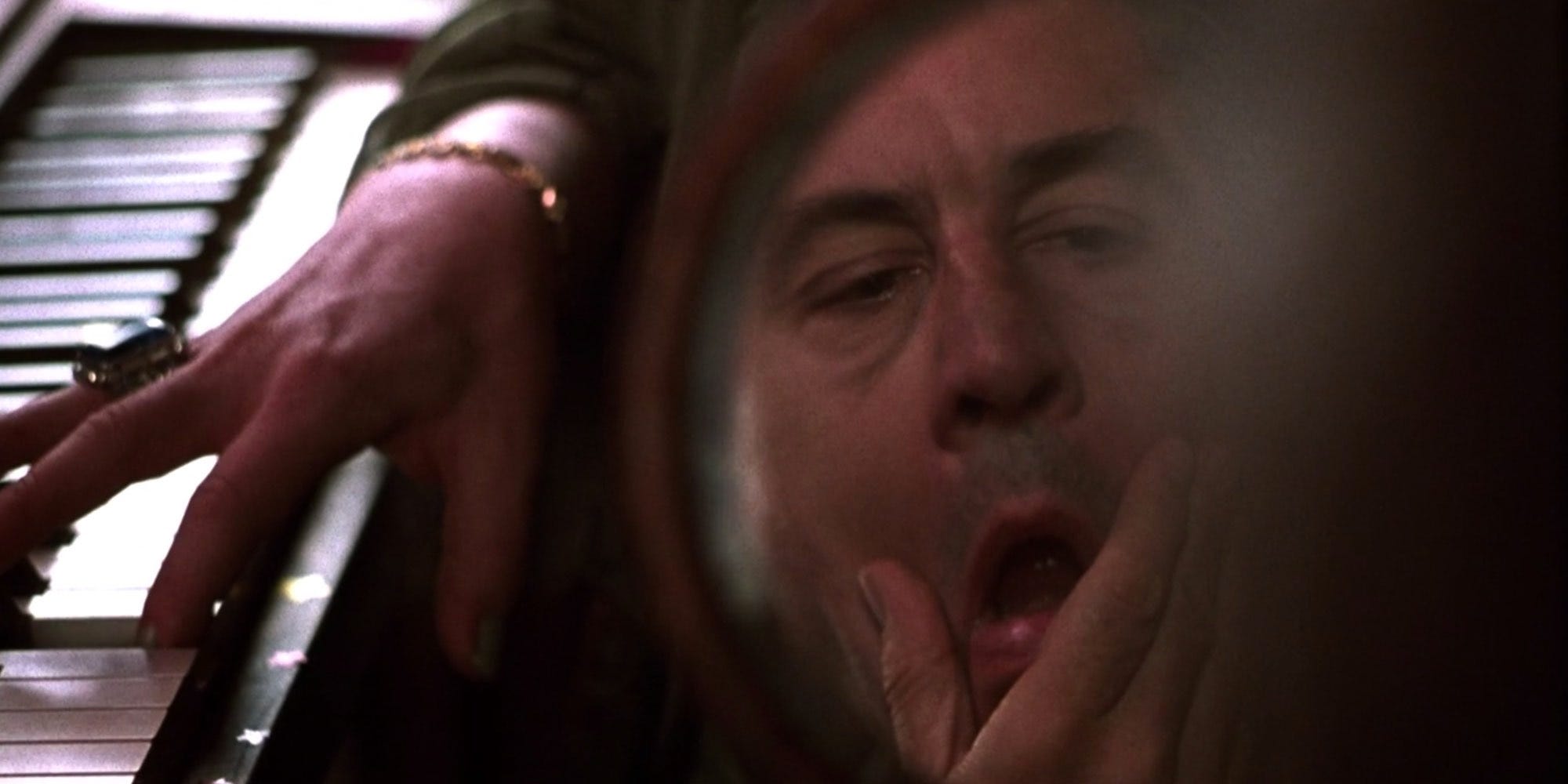
flawless dir. joel schumacher (1999) with this gritty crime drama about a post-stroke bob de niro taking singing lessons from drag queens landing just after his homoerotic interpretation of batman, it feels like schumacher struck out with the idea that he could trick staunchly heterosexual audiences into caring about camp. while the hood-film elements feel rote, the vibrant drag queen half of the equation (and, of course, PSH’s performance at the center of it) only gives us a taste of what the writer-director-costume-designer was capable of before this movie’s poor reception led him back into the closet for the remainder of his career, which seemed to be full of angsty, colorless movies. yes it’s a prototype for gran torino, and yes we do spend most of the movie dreading the inevitable redemption arc for the homophobe hero-cop who will inevitably do some hate speech to break the tension during the emotional climax, but it was at least incredibly progressive to insinuate that trans women are braver than the police in a major-studio film in the ’90s. i also liked the way de niro’s slurred speech embodies the way republicans sound when they say things like “why would you wanna cut your dick and balls off.”
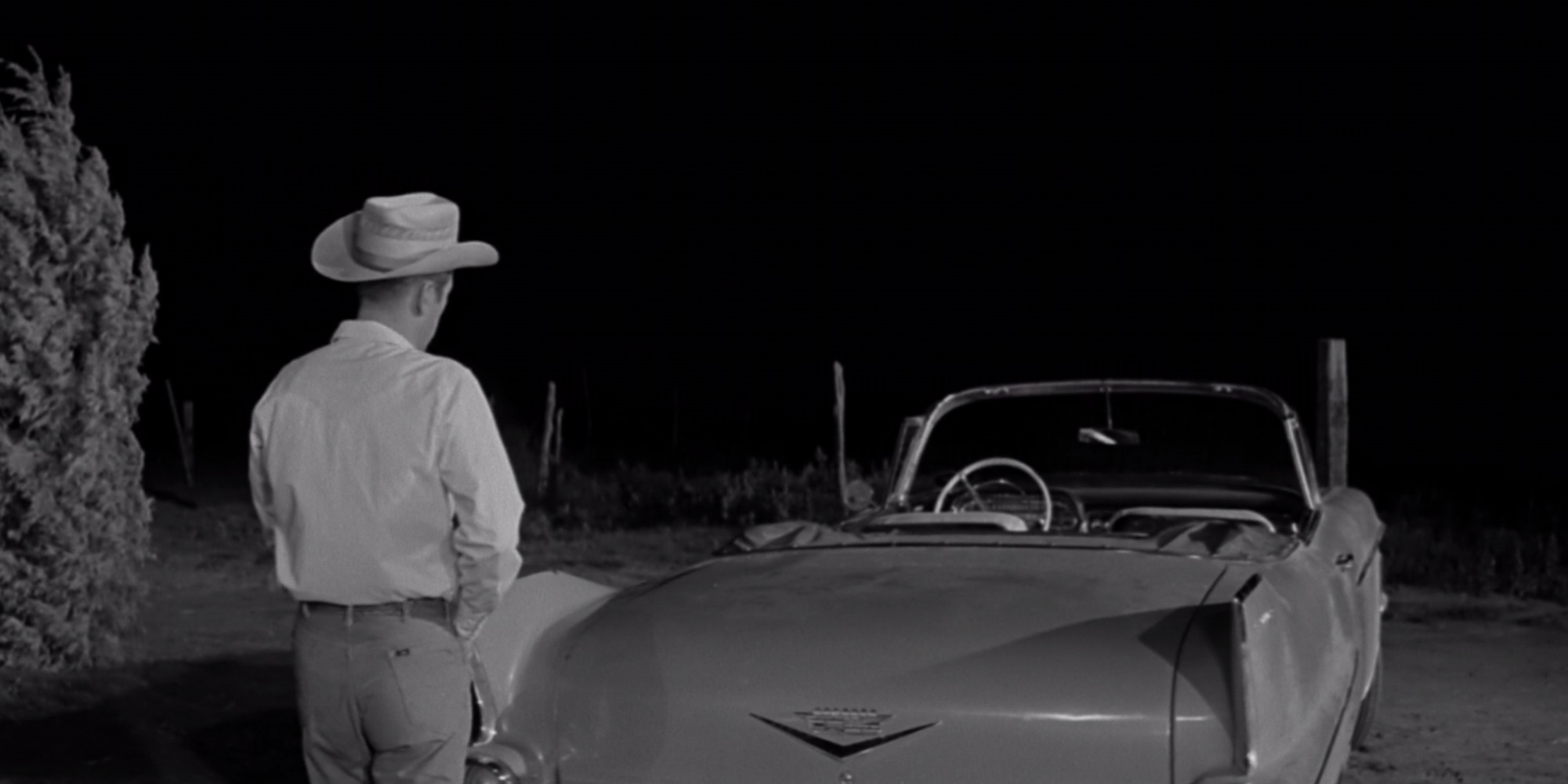
hud dir. martin ritt (1963) wrong-son-died family drama by way of kill-or-be-killed capitalist fable wherein paul newman’s character embraces all of the qualities of a western hero in a domesticated farmland setting where his most renegade beliefs exist in opposition to the law only when he isn’t looking to the legal system to cheat an aging patriarch out of running the family business. feels distinctly like a transitional moment between john ford and new hollywood as the tropes that had long comfortably furnished these movies get pulled out from underneath the viewer—we’re left contemplating the late 20th century’s economic shift from hard work (i.e. patiently reaped farm money) to luck (i.e. oil money), while the literary dialog leaves us with nuggets like “little by little the look of the country changes because of the men we admire” to remember just how much change our country was undergoing at the moment. no feeling of betrayal quite like coming to the realization that they cast early-’60s newman as scum in a movie where he’s the title character.
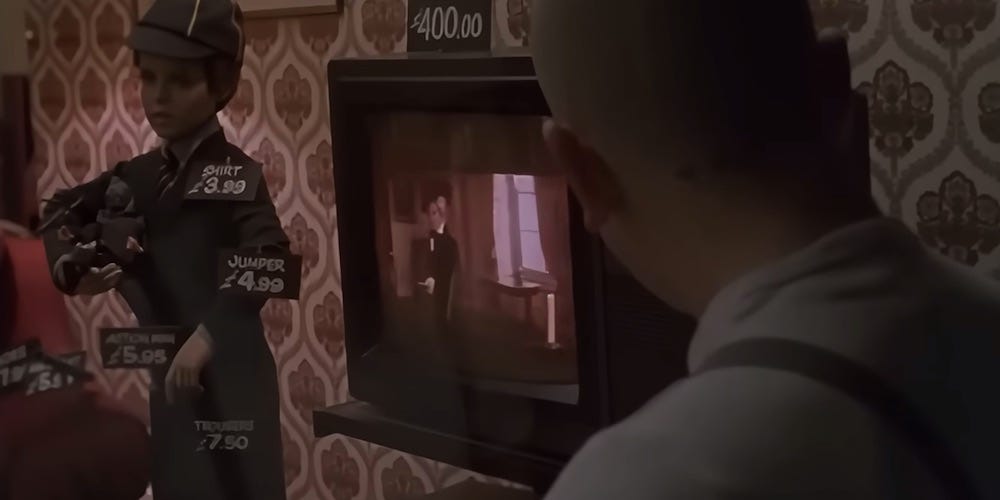
made in britain dir. alan clarke (1983) essentially just clockwork orange only, crucially, it always opts for muted colors over vivid opulence, hyperrealist social drama over surrealist display of depravity. the viewer is placed in a similarly tough position between a violently antisocial youth culture and the system that’s guilty of creating it as we watch the endless dance between a delinquent reveling in his delinquency to spite figures of authority, who in turn revel in the power that their employment affords them—we get frustrated with the main character for not playing by the rules because we’re trapped in the room with him, too, until he does so. weird how the neo-nazi sort of became the hamlet role for the turn of the millennium (crowe, norton, gosling), and i’m almost convinced tim roth was gifted top billing here after losing out on the skinhead role in meantime to gary oldman. no wonder his career took off: his first year on screen saw him sneering for 70 minutes just as adequately as he mouth-breathed for 100.
books

martin scorsese: interviews edited by robert ribera (2017) first time i’ve read a book from this interview series while not actively watching the directors’ movies chronologically alongside it, which made me realize that their faults also happen to be just about everything i’ve enjoyed about them: they tend to favor the filmmakers’ less-written-about movies (which, in this case, also happen to be the ones i only saw once over a decade ago) and tend to include interviews that do just about nothing to contextualize the movies they’re focused on (there are three interviews here that are about or reference no direction home, yet that title appears nowhere in the book outside of the appendices). another criticism i’ve always had about them is that most of the interviews are transcriptions of spoken interviews with absolutely zero edits, making them somewhat like the first cuts of scorese’s movies: far longer than anyone could possibly tolerate.
but looking beyond the endless, inscrutable audience Q&A that followed an early screening of alice doesn’t live here anymore that eats up a massive chunk of the book’s early section (certainly doesn’t help that scorsese seemed to be all jitters and no coherence in his interviews up until goodfellas), i appreciated the intro’s application of a subtle thesis for the book, which is scorsese’s academic pivot from the priesthood before he attended NYU with a quote from scorsese that sums up just about all of his work: “how do you do that in a world like this?” it made me want to rewatch all of these movies the way i’ve increasingly begun to view lynch’s movies—less as the depraved spectacles of violence we’re led to believe they are and instead as improvisatory and nearly helpless reactions to evil behavior from someone who’s witnessed it firsthand.
also included: a refreshingly breezy fresh air interview with terry gross, a completely aimless Q&A moderated by jim jarmusch who—as is the case with interviews where he’s the subject—is mostly just naming european directors and then saying he doesn’t really have a question, and a very weird and horny convo with paul schrader about early screen crushes.